
New Delhi — Artificial intelligence has emerged as the leading ethical concern among accounting professionals worldwide, with 61% identifying its use as a major challenge, nearly double the proportion recorded two years ago, according to a new survey by the Association of Chartered Certified Accountants (ACCA).
The findings, released ahead of Global Ethics Day on October 21, show a sharp increase in concerns surrounding AI as the technology becomes more widely integrated into financial reporting, auditing and decision-making.
In 2024, just 32% of respondents identified AI as a leading ethical challenge, compared with 61% in the latest survey.
Ethical leadership and workplace culture also remained major concerns, cited by 43% and 39% of respondents, respectively.
The ACCA report was based on responses from 1,178 finance and accounting professionals across 135 countries, supplemented by roundtable discussions examining ethical challenges facing the profession.
Nearly half of respondents said ethical dilemmas have become more difficult to resolve over the past three years, while 53% reported witnessing unethical behavior during that period.
The findings suggest that although accounting professionals remain committed to established ethical principles, they are facing increasingly complex challenges as technological advancements reshape their responsibilities.
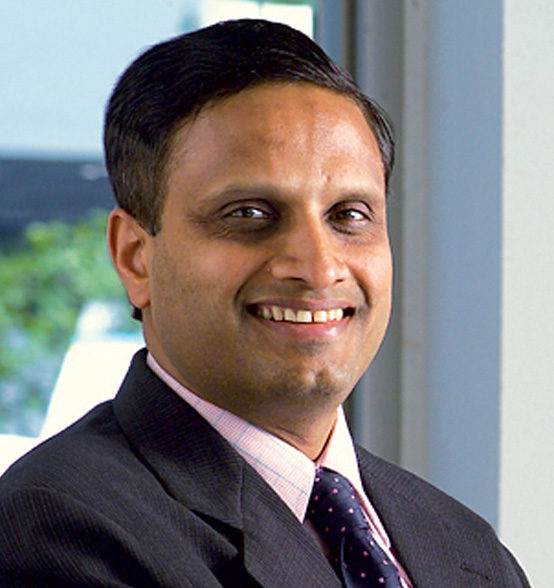
“As artificial intelligence becomes increasingly embedded in financial decision-making, ensuring its responsible use while upholding professional ethics is emerging as a critical priority for the accountancy profession,” said Sundeep Jakhar, head of public affairs for India at ACCA.
The report acknowledged that AI can improve productivity, accuracy and efficiency in accounting. However, it emphasized that human judgment, transparency and clear accountability must remain central to its use.
Despite growing concerns, 89% of respondents said the profession continues to demonstrate strong ethical capabilities, although maintaining those standards requires ongoing professional development.
The survey also identified the factors most important to maintaining public trust in accountants. Strong ethical standards were cited by 46% of respondents, followed by transparency at 38% and professional independence at 36%.
ACCA said organizations must foster workplace cultures that support ethical decision-making, with leadership playing a critical role in ensuring that professional standards are consistently maintained.
The findings also underscore the importance of preparing accountants to navigate ethical questions arising from the growing use of automated systems and AI-driven financial tools.
“Ultimately, trust in the profession will depend not just on technological capability, but on how consistently ethical principles are applied in practice,” Jakhar said.
The report concludes that while technological innovation presents significant opportunities for the accounting profession, maintaining public confidence will require continued investment in ethical training, responsible AI adoption and organizational accountability. (Source: IANS)