


NEW DELHI– The ongoing dispute over U.S. tariffs on Indian exports may be entering a new phase, as recent developments suggest a potential opening for renewed dialogue despite months of escalating trade friction.
Rashtriya Swayamsevak Sangh (RSS) chief Mohan Bhagwat on Friday described the tariffs as rooted in “fear of a stronger India,” reflecting growing domestic criticism. A report by SBI Capital Markets, titled “Tariffs Are Made in the USA, but Resilience Is Made in India,” called Washington’s aggressive tariff policy a “key flashpoint” aimed at pressuring India’s external sector and curbing its broader economic momentum.
Industry analysts note the tariffs, particularly those levied under Section 232, have already disrupted pricing and competitiveness in strategic sectors such as copper, steel, aluminum, and automobiles. KPMG observed this month that the measures are forcing India to reassess its trade strategy while testing sectoral resilience.
The debate has grown sharper since Washington abruptly canceled a planned round of bilateral trade talks in New Delhi last month, while simultaneously raising duties on Indian goods, citing oil imports from Russia. Critics argue the move underscores a double standard, as Washington continues trade discussions with Beijing while twice postponing new tariffs on Chinese goods.
China’s Ambassador to India, Xu Feihong, also weighed in, accusing the U.S. of “using tariffs as a weapon to demand exorbitant prices,” and labeling the 50 percent levy on Indian goods “unfair” and “unreasonable.”
India’s Chief Economic Adviser Anantha Nageswaran has warned that the Trump administration’s layered 25 percent + 25 percent duties could shave 0.5–0.6 percentage points from GDP growth, calling the measures “explicitly punitive.”
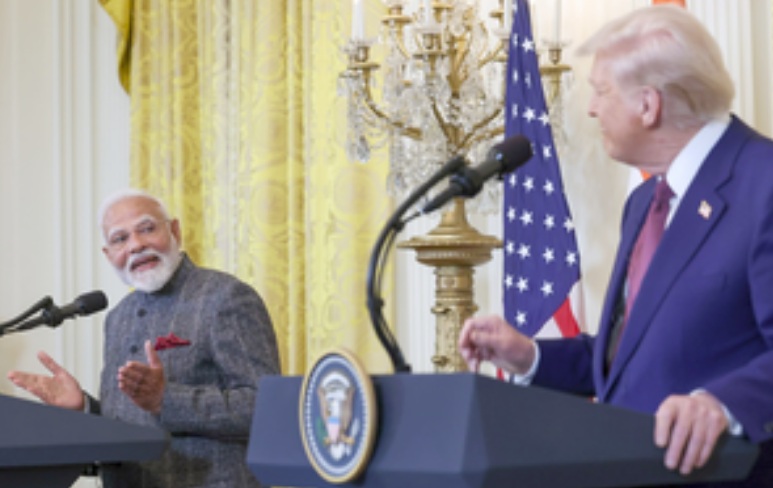
Still, signs of a potential thaw have emerged. President Trump has recently softened his rhetoric, even as he has held back from imposing additional measures on Russia. His ambassador-designate to India, Sergio Gor, emphasized this week that the President shares an “incredible relationship” with Prime Minister Narendra Modi, noting Trump has consistently praised Modi’s leadership despite disagreements on trade.
Meanwhile, legal challenges in the U.S. could reshape the policy framework. A federal trade court in May ruled that the President exceeded his authority in issuing tariffs under the International Emergency Economic Powers Act, a decision upheld by the Federal Circuit last month. The matter is now headed to the Supreme Court, with a ruling that could have broad implications for American businesses and exporters worldwide, including those in India.
For now, trade watchers suggest the combination of diplomatic recalibration, domestic legal scrutiny, and strategic maneuvering may set the stage for talks to resume “very soon,” though significant hurdles remain. (Source: IANS)




