
WASHINGTON, D.C. — The long-running absence of a national paid family and medical leave policy in the United States took center stage on Capitol Hill this week, as lawmakers clashed over whether Washington should establish a federal standard or continue to leave the issue largely to states and employers.
The debate unfolded during a congressional hearing titled “Balancing Careers and Care: Examining Innovative Approaches to Paid Leave,” where Republican and Democratic lawmakers laid out starkly different visions for addressing a benefit that is routine in much of the developed world but remains unevenly available in the United States.
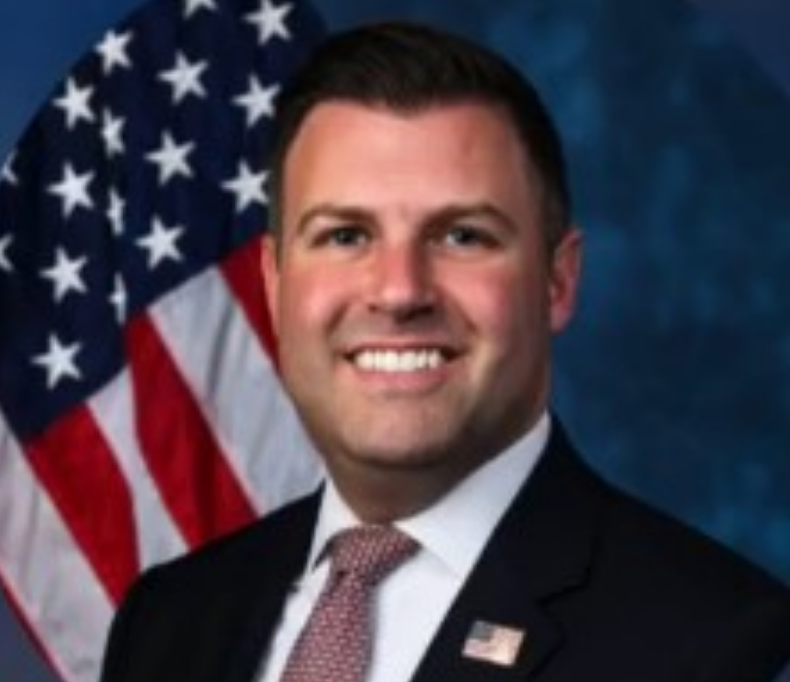
Congressman Ryan Mackenzie, the Republican chair of the Subcommittee on Workforce Protections, said the country still lacks any federal law guaranteeing paid leave, despite the Family and Medical Leave Act setting rules for unpaid time off. Calling the issue personal, Mackenzie described how his own family relied on his wife’s employer-provided benefits after the birth of their child. “There is currently no federal law that outlines paid leave benefits,” he said. “Right now, my wife is able to watch our newborn daughter because of her company’s paid leave policy.”
Mackenzie cited Department of Labor figures showing that only 27 percent of private-sector workers have access to paid family leave through their employer, underscoring how the benefit remains out of reach for most workers even in the world’s largest economy.
Democratic lawmakers framed the issue more bluntly, arguing that the United States is one of the only wealthy countries that does not guarantee paid family and medical leave. One lawmaker said more than 100 million workers are left unsure whether they can care for a newborn, an aging parent, or their own health without risking their job or financial stability. Access, the lawmaker added, is especially limited for low-wage and part-time workers.
Democrats urged Congress to establish a strong federal baseline through universal paid leave, warning that voluntary employer models and private insurance partnerships have failed to meaningfully expand access. They argued that without national standards, inequality and uncertainty will persist.
Witnesses at the hearing described a complex patchwork of state programs, private insurance options, and federal rules that many employers and workers struggle to navigate. Julie Squire, testifying on behalf of state workforce agencies, said 13 states and Washington, D.C., have enacted paid family and medical leave programs. Minnesota and Delaware launched programs on January 1, while Maine is expected to begin offering benefits later this year.
Squire said most state programs provide partial wage replacement for a limited number of weeks to cover medical needs, caregiving, or time with a newborn or adopted child. However, she said differing eligibility rules across states are driving calls for greater coordination, as requirements such as how long someone must work to qualify can vary widely.
Advocates also emphasized the human toll of limited leave. Adrienne Schweer of the Bipartisan Policy Center described returning to work at the Pentagon shortly after a high-risk pregnancy. “I was exhausted from a newborn, I was barely healed from the birth,” she said, adding she had very few days left after using sick and vacation time. Schweer said more than 60 million Americans juggle work and caregiving responsibilities every day and that access to paid leave and affordable child care helps keep people in the workforce.
Others stressed that paid leave is not only about new parents. Elyse Shaw of the Center for Law and Social Policy said only about a quarter of leave taken under existing law is for parental reasons, while most is for medical needs or caring for a seriously ill family member. She said roughly 106 million private-sector workers lack employer-provided paid family leave and criticized a House proposal, H.R. 3089, arguing that it is a grant program rather than a true paid leave mandate and offers no job protection.
From the employer perspective, representatives said workforce pressures are increasing. Greta Kessler, speaking for human resource professionals, said nearly seven in 10 organizations report difficulty recruiting full-time employees, making paid leave an important tool for attracting and retaining talent. At the same time, she warned that managing paid leave across multiple states is increasingly complicated, with differing rules, benefit formulas, and administrative requirements layered on top of federal laws.
As the hearing made clear, the question of whether the United States should guarantee paid family and medical leave nationally remains unresolved, with lawmakers sharply divided over how far the federal government should go in reshaping the country’s social safety net. (Source: IANS)