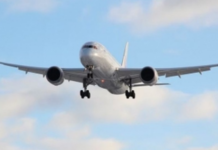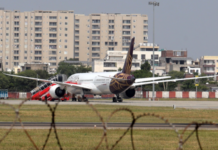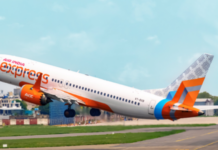

NEW DELHI— India’s civil aviation watchdog, the Directorate General of Civil Aviation (DGCA), has taken enforcement action against Air India after an audit revealed that an aircraft was operating with an overdue emergency slide inspection, the government told Parliament on Monday.
“The DGCA immediately grounded the aircraft until the necessary inspection and rectification were completed,” said Minister of State for Civil Aviation Murlidhar Mohol in a written reply to the Rajya Sabha. “Enforcement action has been initiated against Air India and the responsible personnel in accordance with the DGCA’s Enforcement Policy and Procedure Manual.”
The minister was responding to a question from DMK MP Tiruchi Siva, who asked whether the government was aware that Air India aircraft were allowed to fly in violation of mandatory safety protocols—specifically with overdue emergency slide checks—in the weeks leading up to the crash of flight AI 171 in June. Siva also inquired about whether the DGCA had been held accountable for any lapse in regulatory oversight.
Mohol maintained that the DGCA regularly conducts surveillance, spot checks, and nighttime inspections to ensure airlines adhere to safety and maintenance standards. “When violations occur, enforcement actions may include warnings, suspensions, cancellations, or financial penalties against the airlines or personnel involved,” he said. “DGCA officials are thoroughly trained for these oversight and enforcement functions.”
In response to a separate query, the minister revealed that 12 helicopter accidents involving scheduled aircraft have taken place over the past five years, resulting in 30 fatalities. Seven of these incidents occurred in Uttarakhand, four in Maharashtra, and one in Chhattisgarh.
To improve safety in helicopter operations, particularly during the Chardham Yatra pilgrimage, the DGCA has launched additional surveillance and safety audits, Mohol noted. The regulator has also reiterated its safety guidelines for such operations, focusing on enhanced access control, improved parking logistics, regulated slot allocations, more rigorous pilot training, and strict compliance with Standard Operating Procedures (SOPs). (Source: IANS)