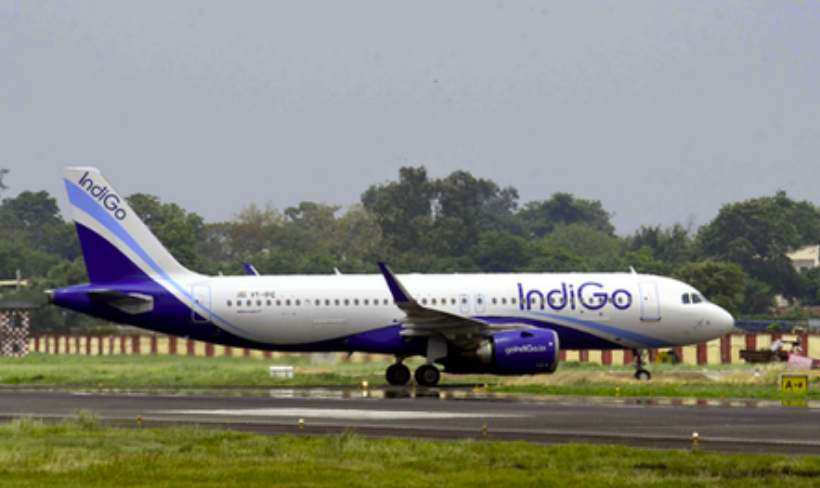
NEW DELHI— The Directorate General of Civil Aviation (DGCA) has issued a show-cause notice to IndiGo for allegedly using “non-qualified” simulators to train nearly 1,700 pilots operating flights to three critical airports that require specialized handling for safe landings and takeoffs.
According to the notice, IndiGo conducted Category C (critical) airfield training for flight commanders and first officers using simulators that were not certified for those specific airports.
A DGCA review of the airline’s simulator training records found that several full-flight simulators used for training, testing, and checking for airfields such as Kozhikode, Leh, and Kathmandu were not qualified or approved for those airport models, as required under Civil Aviation Rules (CAR).
The regulator stated that IndiGo failed to ensure the use of appropriately certified simulators for training related to Class III (critical) airports, in violation of CAR provisions. IndiGo has been given 14 days to explain why action should not be taken under the Aircraft Rules and CAR for the lapse.
IndiGo confirmed receiving the notice and said it is reviewing the matter.
“We confirm receipt of a show-cause notice issued by the DGCA pertaining to the simulator training of some of our pilots. We are in the process of reviewing the same and will respond to the regulator within the stipulated timeline,” an IndiGo spokesperson said. “We remain committed to ensuring the highest standards of safety and compliance across our operations.”
Kozhikode airport features a tabletop runway built on elevated terrain, presenting unique challenges for pilots. The steep drop-off at the runway’s end increases the risk of overruns, while the elevated position can create an optical illusion that makes the runway appear closer than it is.
Leh airport, one of the highest in the world at 10,682 feet (3,256 meters) above sea level, poses its own set of challenges. The thin air reduces engine performance and lift, while the surrounding mountains require complex flight paths and precise visual navigation, particularly during approach and departure. (Source: IANS)