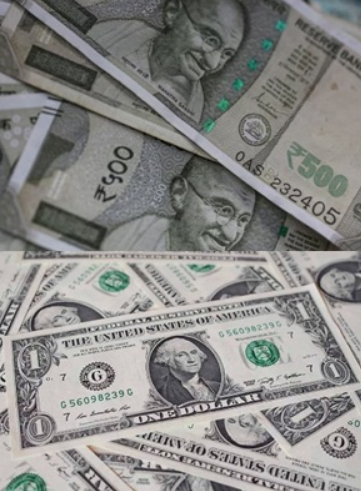
NEW DELHI– The Reserve Bank of India (RBI) on Wednesday unveiled new measures to advance the internationalization of the rupee, aiming to reduce India’s dependence on the U.S. dollar in global trade and strengthen the position of the Indian currency.
Under the new framework, dealer banks can now extend trade-linked loans in rupees to Bhutan, Nepal, and Sri Lanka. This reduces reliance on the dollar as a settlement currency and provides a lifeline for debt-burdened nations like Sri Lanka, which faced crippling dollar shortages during its 2022 financial crisis. For India, the move generates a captive demand base for the rupee, according to India Narrative.
However, experts caution that borrower nations could accumulate rupee-denominated obligations beyond their repayment capacity, potentially sparking financial tensions. The initiative’s success will also depend on whether importers and exporters shift from the entrenched practice of dollar invoicing to adopting rupee contracts.
Another key step by the RBI is the introduction of transparent reference rates not only for major currencies like the U.S. dollar, euro, yen, and pound sterling, but also for regional currencies such as the Indonesian rupiah and UAE dirham. Exporters often face double conversion costs — first invoicing in dollars, then converting into rupees, and finally into a trading partner’s currency. Stable benchmarks are expected to reduce these costs and risks, making rupee invoicing more attractive.
The initiative aligns with India’s broader goal of promoting rupee invoicing in energy trade with the Middle East, particularly as the UAE emerges as a hub for diversifying oil trade settlements away from the dollar.
In addition, the RBI has allowed balances in Special Rupee Vostro Accounts to be invested in corporate bonds and commercial papers. This could stimulate demand for rupee-denominated assets abroad and deepen India’s relatively underdeveloped corporate bond market, especially compared to China’s.
The move may also help anchor surplus funds from Sri Lanka, Nepal, and other regional partners in India’s financial markets, increasing economic interdependence across South Asia. (Source: IANS)