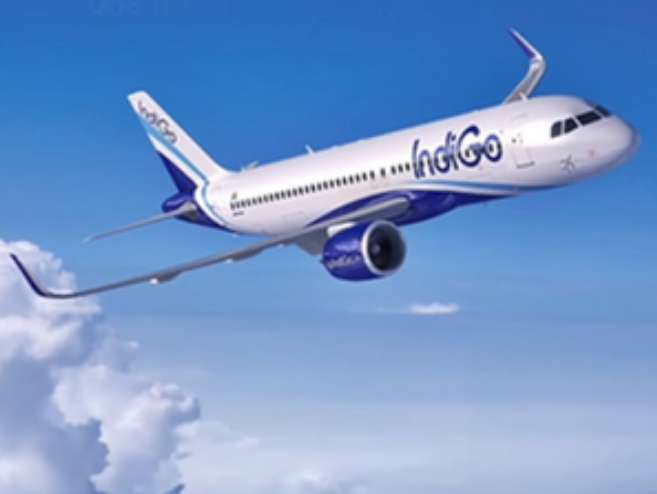
NEW DELHI — India’s largest low-cost airline, IndiGo, is expected to face near-term pressure on profitability as rising fuel prices driven by escalating tensions in West Asia push up operating costs, according to a report by Moody’s Ratings.
The report said higher jet fuel costs are likely to weigh on margins in the short term. However, IndiGo’s relatively short ticket booking cycle of 30 to 45 days should allow the airline to gradually pass on increased costs to passengers.
Moody’s noted that IndiGo does not hedge fuel prices, leaving it more exposed to sudden spikes in aviation fuel costs compared with airlines that use hedging strategies.
The increase in fuel prices follows recent military strikes by Israel and the United States on Iran on February 28, which have disrupted regional air travel, driven up crude oil and jet fuel prices, and forced airlines to take longer routes due to airspace closures.
“Higher jet fuel prices globally will weigh on airline profitability,” the report said, adding that fuel is the second-largest expense for airlines after labor.
Brent crude prices have surged to nearly $100 per barrel following the conflict, about 45 percent higher than the 2025 average. Jet fuel prices in the U.S. Gulf Coast region have also climbed to more than $3.50 per gallon, nearly 65 percent above last year’s average.
IndiGo’s exposure to West Asia routes—accounting for roughly 18 to 20 percent of its revenue—adds to the pressure. Still, the airline’s dominant position in India’s domestic market provides some cushion. IndiGo holds about a 64 percent share of the domestic aviation market and generates nearly three-fourths of its revenue from domestic operations.
The airline has attempted to resume some European routes using alternative flight paths amid ongoing airspace restrictions, though progress has been limited so far.
Over the medium term, Moody’s said IndiGo retains flexibility to redeploy aircraft to domestic routes or expand into Southeast Asia if disruptions persist. However, the agency cautioned that elevated fuel costs, longer flight durations due to rerouting, and foreign exchange volatility tied to a weakening rupee will continue to pose challenges.
According to company estimates cited in the report, every $1 increase in jet fuel prices raises IndiGo’s monthly fuel expenses by approximately Rs 20 crore to Rs 25 crore.
Shares of InterGlobe Aviation, IndiGo’s parent company, rose 1.78 percent on the BSE on Tuesday, touching an intraday high of Rs 4,298. (Source: IANS)