

NEW DELHI — India’s tourism and hospitality sectors are holding steady despite global disruptions, buoyed by strong domestic demand even as the ongoing West Asia conflict weighs on international travel, according to an industry report released Thursday.
The report by the PHD Chamber of Commerce and Industry said the hospitality sector has remained relatively stable, supported by a sharp post-pandemic recovery and continued strength in domestic travel.
The restaurant and food services segment is seeing mixed trends. While domestic consumption and food delivery — which account for up to 30 percent of revenues for organized players — are helping sustain the sector, rising input costs and weaker international footfall are putting pressure on margins. Input costs have increased by an estimated 10 to 15 percent.
Domestic tourism continues to serve as the primary driver of growth, fueled by evolving travel trends such as revenge travel, staycations, bizcations, and experiential dining.
At the same time, inbound tourism has declined, with foreign tourist arrivals falling by 15 to 20 percent, particularly in the leisure segment, as global travelers adopt a more cautious approach amid geopolitical uncertainty.
The report noted that India’s tourism, aviation, and hospitality sectors — which contribute nearly 8 percent to the country’s GDP and support more than 40 million jobs — are once again facing external pressures linked to geopolitical tensions.
Outbound travel patterns are also shifting. Indian travelers are increasingly choosing short-haul destinations such as Thailand, Singapore, and Vietnam, while demand for long-haul and transit-heavy routes has softened.
However, the strong recovery seen in 2025 has helped cushion the impact. Branded hotel inventory has expanded to nearly 200,000 rooms, and domestic aviation traffic has surpassed 500,000 passengers per day, signaling sustained demand.
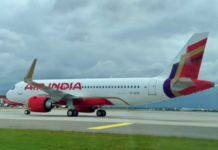
The report also highlighted operational challenges, including increased flight times of two to four hours on key routes due to disruptions in Middle East air corridors — among the busiest transit routes globally. These disruptions have reduced connectivity efficiency and driven up airfares.
To address these challenges, the PHD Chamber recommended diversifying international air routes, improving bilateral connectivity, and rationalizing taxes across aviation turbine fuel, hospitality, and food services.
It also called for strengthening digital travel systems, streamlining visa processes, and expanding destination marketing in alternative global markets.
While the West Asia conflict presents short-term challenges, the report said it also offers India an opportunity to build a more resilient, diversified, and self-reliant tourism ecosystem. (Source: IANS)