
New Delhi — India’s electric vehicle market is expected to expand rapidly over the next decade, reaching an estimated $191.04 billion by 2034 as sales, exports and charging infrastructure continue to grow, the government said Wednesday.
The market is projected to record a compound annual growth rate of 54.94 percent through 2034. EV sales in India increased from about 50,000 vehicles in 2016 to 2.3 million in 2025, a 46-fold rise.
India’s growth has outpaced the broader global market. Worldwide EV sales increased about 20-fold, from 918,000 vehicles in 2016 to 18.78 million in 2024, according to an official statement.
Electric two-wheelers and three-wheelers have accounted for much of India’s recent growth. About 1.28 million electric two-wheelers and 800,000 electric three-wheelers were sold in 2025.
India’s EV penetration increased from roughly one-fifth of the global level in 2020 to more than two-fifths in 2024. The country is targeting electric vehicles to account for 30 percent of total vehicle sales by 2030.
The domestic EV battery market is also expected to grow significantly, rising from an estimated $2.71 billion in 2025 to $15.90 billion by 2034, representing an annual growth rate of 21.7 percent.
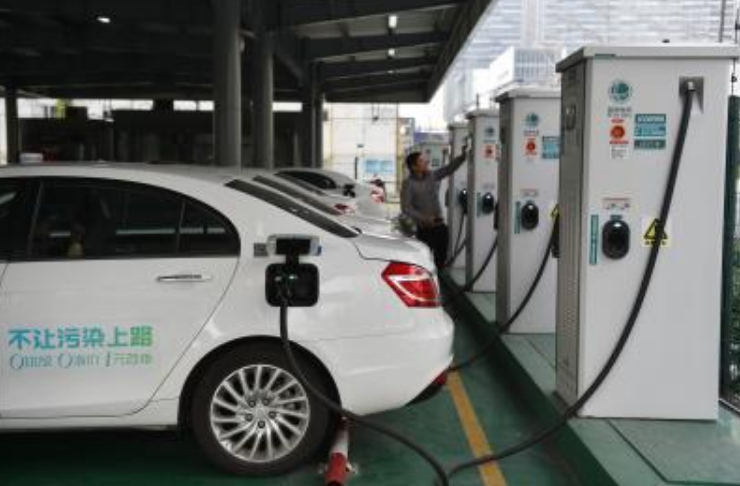
India plans to have 1.32 million charging stations in operation by 2030. As of July 2026, the country had 52,718 public charging stations, including 16,561 equipped with fast-charging facilities, according to Bharat Heavy Electricals Limited.
Indian EV exports have also increased sharply, climbing from $1.2 million in 2020 to $84 million in 2024. Nepal, Indonesia and Japan were the leading export destinations.
Investment in the sector reached about $1.4 billion during the 2024-25 financial year, an increase of nearly 27 percent from the previous year. EV manufacturers received about $1.2 billion of that funding, while Delhi attracted the highest level of EV investment among Indian cities.
The government has promoted electric mobility through programs including the Faster Adoption and Manufacturing of Electric Vehicles initiative, production-linked incentives for advanced chemistry cell batteries and policies designed to increase domestic battery manufacturing. (Source: IANS)