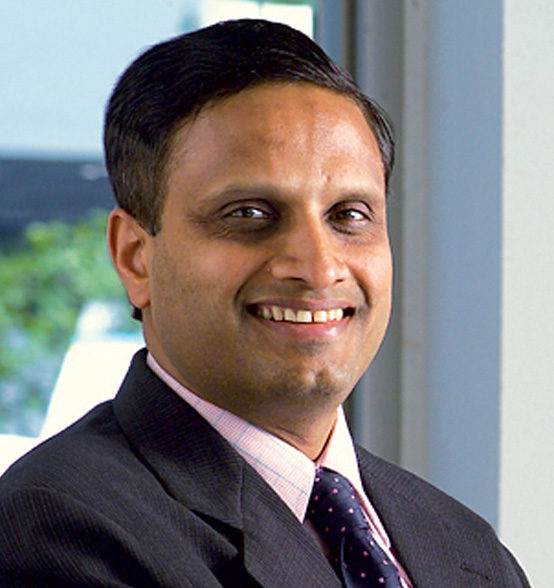
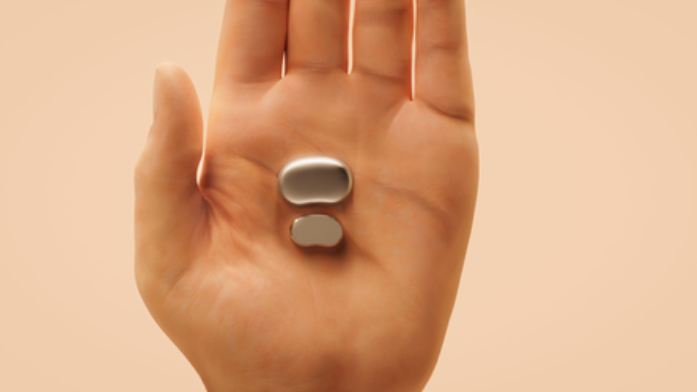
NEW DELHI–Deepinder Goyal, the former CEO of Eternal, has defended the scientific claims behind his wearable technology startup Temple after medical professionals questioned the device’s ability to measure brain-related health indicators.
The controversy has sparked a public exchange between Goyal and doctors over the scientific evidence supporting Temple’s technology and the standards consumer wellness devices should meet when promoting health-related features.
In a series of posts on X, Goyal rejected suggestions that Temple was misleading consumers, arguing that customers would soon be able to evaluate the device’s performance themselves.
He pointed to the company’s 14-day return policy, which allows customers to return the product without providing a reason, as evidence of its confidence in the technology.
Goyal also disclosed that approximately $30 million has been invested in developing Temple, including about $20 million of his personal funds.
He argued that the substantial financial commitment and years of work behind the project were inconsistent with allegations that the venture was fraudulent.
The entrepreneur, who previously led Eternal, the parent company of Zomato, said he stepped away from his leadership position to concentrate on Temple and emphasized that his professional reputation depends on the credibility of its technology.
However, Goyal acknowledged that not all of the device’s measurements have undergone clinical validation.
“Temple is a fitness tracker and wellness device. We are not a medical device,” Goyal said.
He maintained that the company would release additional scientific evidence and validation results as they become available, including research conducted after the device reaches consumers.
Much of the criticism has come from hepatologist Dr. Cyriac Abby Philips, widely known on social media as The Liver Doc.
Philips has challenged Temple’s claims about measuring brain-related indicators using data collected from the superficial temporal artery, a blood vessel located near the temple.
He questioned whether the technology could reliably assess brain blood flow and other advanced physiological measurements based on the evidence currently available.
Philips also argued that the company’s publicly released materials and preliminary research papers do not conclusively demonstrate the capabilities being promoted.
The physician has called for stronger scientific evidence, including independent, peer-reviewed research, before the company’s claims are accepted.
The dispute has drawn broader attention to the growing market for consumer wearable technology, particularly devices that promise sophisticated health and wellness insights.
While fitness trackers and other consumer wearables increasingly offer detailed physiological measurements, questions remain about how companies validate newer features and communicate their limitations to users.
Goyal said Temple intends to continue releasing scientific validation data and stood by the methods used to develop its technology.
The debate remains unresolved, with critics seeking independent clinical evidence and Temple maintaining that further testing and research will support its claims. (Source: IANS)