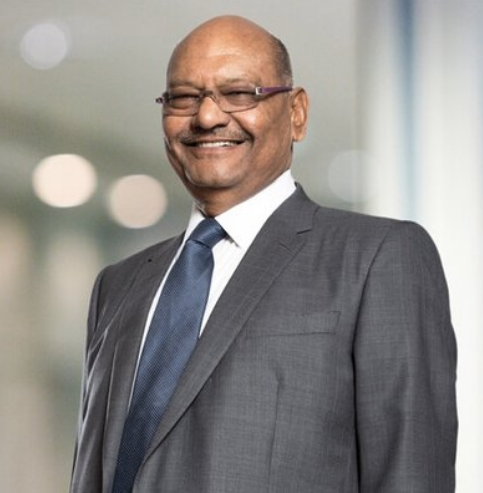
NEW DELHI— The landmark Free Trade Agreement (FTA) between India and the United Kingdom is the outcome of growing trust and mutual cooperation between the two nations, made possible by the visionary leadership of Prime Minister Narendra Modi, said Vedanta Group’s non-executive chairman Anil Agarwal on Friday.
In an exclusive interview with IANS, Agarwal described the agreement as a historic and strategic milestone that will benefit both economies. He praised the efforts of leaders from both countries in concluding what he called a “unique” partnership.
“Britain has a legacy of 400–500 years of industrial and technological experience, which India can benefit from immensely,” Agarwal noted. He highlighted that the UK is a global leader in advanced sectors like nuclear energy, defense, and automotive manufacturing, while India can expand exports of textiles, consumer goods, and daily-use products.
Agarwal said the agreement is expected to eliminate 90–95% of tariffs on Indian exports, which could boost bilateral trade to $30 billion. He added that the FTA may also open doors for broader partnerships with other European nations in the future.
Calling it a “historic moment,” Agarwal shared that several discussions among industrial leaders from both countries were held in the lead-up to the signing. “The FTA was concluded in a very positive environment. It was necessary for both countries and has unlocked new avenues for bilateral engagement,” he said.
He also praised Prime Minister Modi’s recent visit to the UK, describing it as charismatic and impactful. “People in London were deeply impressed by the Prime Minister’s warmth. He interacted with everyone, stopped by local tea stalls, enjoyed masala chai, and engaged with people at every booth,” Agarwal recounted.
As part of the agreement, India will reduce tariffs on 90% of goods originating from the UK, while the UK will cut duties on 99% of Indian exports. This is expected to streamline customs procedures, remove regulatory barriers, and strengthen cooperation across key sectors.
The FTA also seeks to elevate India’s agricultural exports to a level comparable with top European players such as Germany. Additionally, zero-duty access for Indian textiles and leather goods will likely improve India’s competitive position relative to regional exporters like Bangladesh and Cambodia.
According to officials, UK exports to India could increase by around 60% in the long term as a direct result of the deal. (Source: IANS)