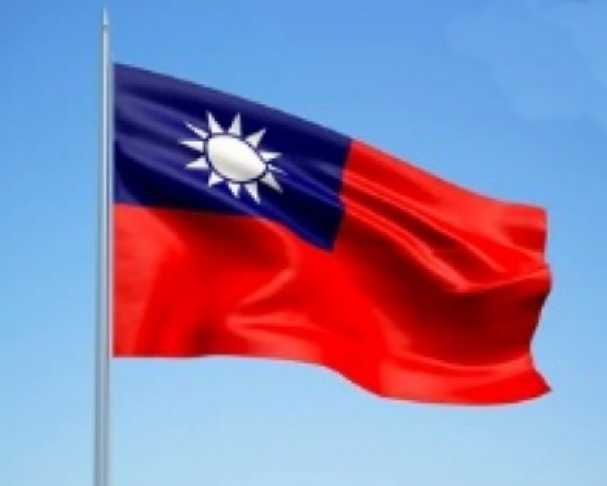

NEW DELHI, India — India increasingly sees Taiwan as a vital technology partner, particularly in semiconductor manufacturing, with closer cooperation viewed as a critical pathway to economic growth, technological advancement, and greater strategic autonomy, according to a media report.
An article published in the Taipei Times said the Indian government has been courting major Taiwanese technology companies for several years, but broader awareness and engagement are needed across institutions, industries, and policymaking circles to fully realize the potential of the relationship.
The report highlighted an existing joint master’s program in semiconductor technology involving four Taiwanese universities and the Indian Institute of Science as a promising step. The initiative is strengthening links between Indian academia and Taiwan’s semiconductor ecosystem, and the article said more Indian engineers and technology professionals should be encouraged to participate to facilitate the transfer of expertise and technical know-how that India urgently requires.
Beyond academic collaboration, the article suggested India should consider establishing a dedicated Taiwan science park. Such a facility could attract Taiwanese companies, support structured and long-term industrial cooperation, and serve as a visible signal of India’s commitment to advancing its technological and manufacturing capabilities in partnership with Taiwan.
The report argued that India needs to move beyond excessive caution and adopt a more confident and consistent approach toward Taiwan. It called for expanded consultations and dialogue, with broader participation by Indian officials beyond senior leadership levels. Ministries overseeing economic, technological, and trade policy should engage directly with their counterparts, with meetings held at least at the deputy minister level to ensure continuity and effectiveness. Parliamentary channels should also be used more actively to advance India’s interests.
The article proposed the creation of a dedicated parliamentary committee on Taiwan–India relations to provide long-term strategic direction, oversight, and continuity, rather than relying on ad hoc or reactive engagement.
It also criticized China’s growing assertiveness, citing the recent detention and alleged harassment of an Indian woman from Arunachal Pradesh at a Shanghai airport, reportedly because China claims the Indian state as its territory. The incident was followed by a statement from China’s Ministry of Foreign Affairs asserting that Beijing has never recognized Arunachal Pradesh, which it refers to as Zangnan.
According to the article, India cannot afford passivity in its approach toward China. It said the issue is not about confrontation, but about asserting national priorities, protecting sovereignty, safeguarding strategic interests, and recalibrating India’s regional posture. Continued caution toward Taiwan, it warned, could result in missed opportunities to strengthen India’s position in Asia’s shifting balance of power.
The report also noted that several Indian states have independently engaged with Taiwan, producing positive commercial and technological outcomes. However, it said that beyond these limited pockets of progress, broader and more tangible results remain constrained. (Source: IANS)