
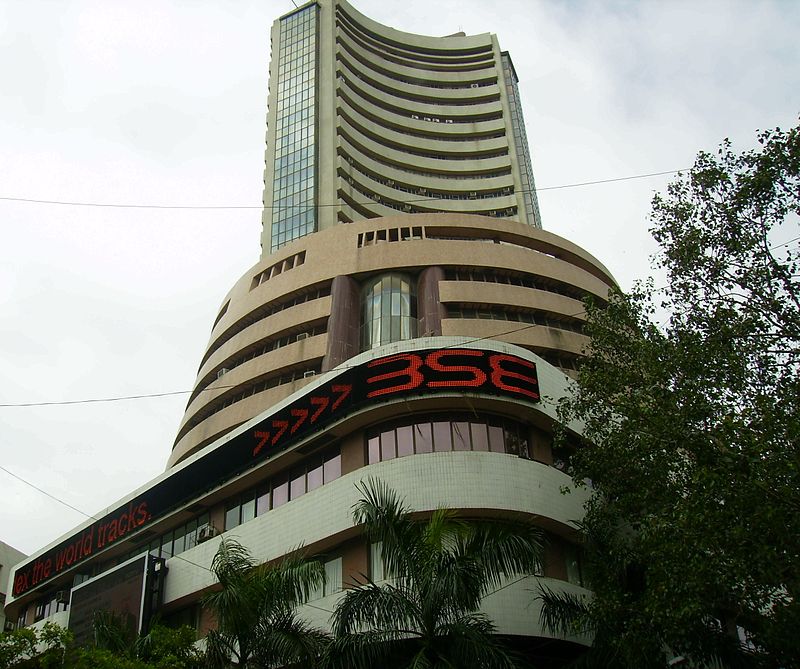

MUMBAI — India’s benchmark equity indices posted their sharpest decline in four sessions, weighed down by heavy selling in banking, infrastructure, and information technology stocks amid renewed concerns over U.S. trade policy.
The 50-share Nifty closed 1.12% lower, shedding 288.35 points to end at 25,424.65. The Sensex fell 1.28%, or 1,068.74 points, to settle at 82,225.92.
Market sentiment weakened after U.S. President Donald Trump threatened to impose fresh tariffs, reviving fears of escalating trade tensions. Over the weekend, Trump announced new temporary global tariffs of 15% and cautioned countries against backing away from recently negotiated trade agreements.
The developments unsettled global markets, even as the U.S. Supreme Court ruled that Trump’s earlier tariffs were unlawful, adding to uncertainty and dampening investor confidence in Indian equities.
IT stocks bore the brunt of the selloff. The Nifty IT index tumbled 4.74% to close at 30,053.50, after touching a two-year low during the session. Weak global cues and concerns over future U.S. technology spending pressured the sector.
The Nifty Realty index was the second-worst performer, sliding 2.54%, while the Nifty Metal index outperformed the broader market and limited losses.
Broader markets showed relative resilience. The Nifty MidCap index slipped 0.32%, while the Nifty SmallCap index declined 0.55%.
On the technical front, analysts said the 25,500–25,600 range remains a key resistance zone for the Nifty. A decisive breakout above this band could trigger short covering toward 25,700, while a sustained move below 25,300 may accelerate declines toward 25,200 or lower.
Adding to caution, Christopher Wood, Global Head of Equity Strategy at Jefferies, said the artificial intelligence-driven rally that has dominated global stock markets, particularly in the United States, could face closer scrutiny this year. His remarks fueled concerns that elevated valuations in AI-linked stocks may come under pressure if global growth slows or trade frictions intensify.
Market participants said the sharp fall in benchmark indices reflects rising global uncertainty and a cautious risk environment, with volatility likely to persist in the near term.
“Escalating global macro uncertainty — particularly around U.S. trade and tariff developments — along with ongoing concerns over AI-led disruption in the global technology space, weighed on overall risk appetite and prompted defensive positioning across most sectors,” an analyst said. (Source: IANS)