
NEW DELHI — A U.S. Supreme Court ruling striking down key elements of President Donald Trump’s tariff regime has done little to calm global uncertainty, as shifting legal tactics and fresh trade measures continue to leave businesses and governments unsure about Washington’s long-term trade direction.
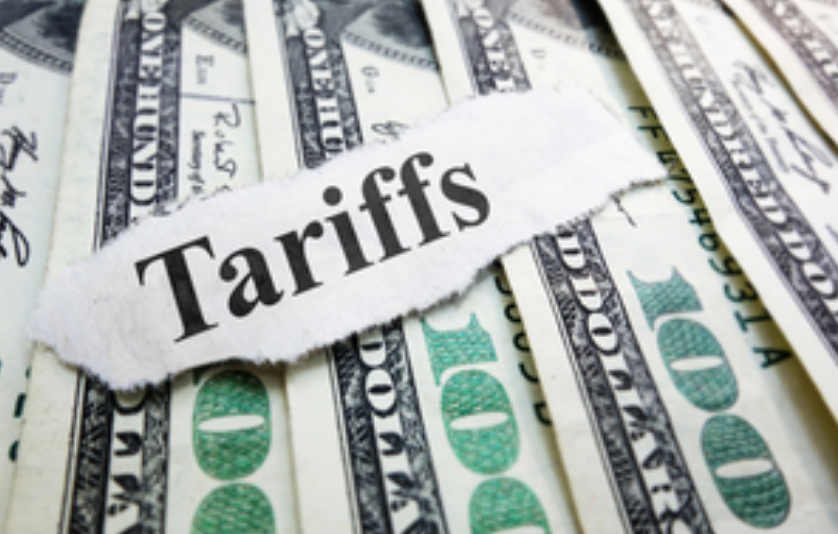
More than a year into his term as the 47th president, Trump has repeatedly unsettled global markets by reshaping U.S. trade policy through aggressive use of tariffs, often invoking emergency powers and obscure statutory provisions. His emphasis on “trade” and “tariffs” has forced several countries into hurried negotiations or concessions as Washington rewrote long-standing rules.
Last year, the administration introduced so-called reciprocal tariffs, prompting a rush among U.S. trading partners to secure deals or reopen talks. Japan, for instance, pledged sharply higher investment in the United States in exchange for reduced tariffs on its exports, according to reports cited by the British newspaper The Guardian.
That momentum was disrupted on February 20, when the U.S. Supreme Court, in a 6–3 decision, ruled that Trump exceeded his authority by using the International Emergency Economic Powers Act to impose broad global tariffs. The court said the law was intended for national security emergencies, not sweeping trade actions, effectively invalidating much of the earlier tariff framework.
The setback proved short-lived. Within days, Trump announced a new 10 percent global tariff, later raising it to 15 percent by invoking Section 122 of the Trade Act of 1974. While that provision allows temporary import duties, it limits their duration to 150 days and requires congressional approval for extension, creating fresh political and legal uncertainty.
With U.S. midterm elections approaching, Congress may be reluctant to act quickly, leaving businesses and trading partners unclear about which tariffs apply and for how long. The confusion has complicated long-term planning and shifted negotiating dynamics, with some allies now believing they can reopen talks on more favorable terms.
According to The Guardian, countries including India, Brazil, and China have secured significant tariff reductions without offering new concessions, while others, such as the United Kingdom, could face higher duties despite compromises already made.
In India, trade negotiators have paused talks that were nearing completion, amid growing alarm among exporters, particularly in textiles, chemicals, and auto components. The European Union is also seeking clarity after reaching a preliminary understanding with Washington, with reports suggesting Brussels may consult the World Trade Organization and consider countermeasures.
Brazilian agricultural exporters have raised concerns about higher costs, while President Luiz Inacio Lula da Silva has urged countries to form collective negotiating blocs to deal with the United States.
China, meanwhile, may gain leverage in upcoming talks. President Xi Jinping is expected to meet Trump in Beijing from March 31 to April 2, and China’s Commerce Ministry has said it is assessing the implications of the Supreme Court ruling. The ministry said U.S. unilateral measures, including reciprocal and fentanyl-related tariffs, violate international trade rules as well as U.S. domestic law.
The shifting landscape could weaken Washington’s ability to press Beijing for increased purchases of U.S. soybeans, aircraft, and energy, while China may slow approvals for exports of rare earth minerals critical to American high-tech and AI manufacturing. Any retaliation, analysts say, is likely to be calibrated ahead of the Xi–Trump summit.
Despite the court ruling, Trump’s trade policy remains fluid, keeping global markets on edge and leaving the future of U.S. trade relations far from settled. (Source: IANS)