NEW DELHI — Indian Railways has approved a series of projects worth Rs 1,364.45 crore (about $164 million) to enhance safety, signaling, and communications infrastructure across its network, the government said Monday.
The projects include installing the domestically developed Kavach train protection system on locomotives, expanding optical fiber cable networks, and replacing older panel interlocking systems with modern electronic interlocking technology across multiple railway zones.
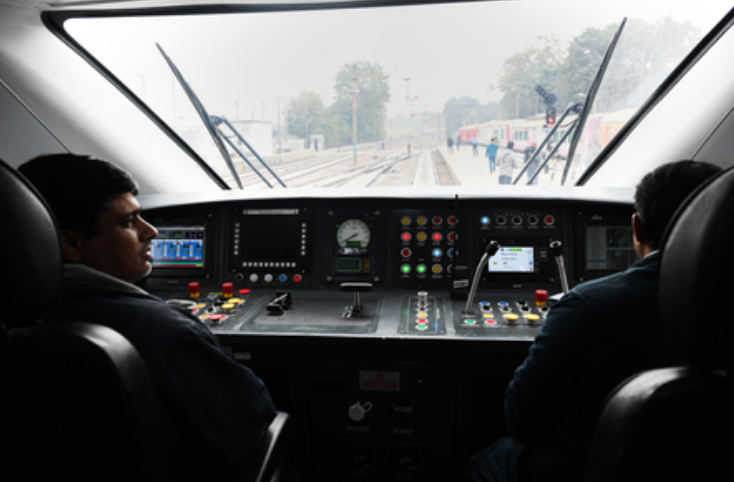
Kavach is designed to prevent accidents caused by trains passing signals at danger, overspeeding, and potential collisions. Officials said the system adds a critical safety layer, particularly on high-speed and high-traffic routes.
As part of the latest approvals, Indian Railways will install onboard Kavach equipment on 232 locomotives in the Southern Railway zone at a cost of Rs 208.81 crore. The project is part of a broader nationwide rollout of Kavach supported by a long-term evolution (LTE) communication backbone, with a total program cost of Rs 27,693 crore. Southern Railway has been allocated Rs 2,950 crore under this initiative, with the current phase focusing on Kavach Version 4.0 installations.
In Northern Railway, three projects worth Rs 400.86 crore have been approved to strengthen communications infrastructure. These include laying optical fiber cables across key divisions, such as Ambala, Delhi, and Lucknow, covering more than 3,200 route kilometers in total. The upgrades are part of a larger Rs 4,871 crore program aimed at improving network capacity and reliability.
Additional investments include Rs 176.77 crore for optical fiber deployment in North Central Railway to support Kavach rollout on high-density routes.
Indian Railways has also approved two projects in South Central Railway worth Rs 578.02 crore to replace panel interlocking systems with electronic interlocking, which is expected to improve signaling reliability, reduce manual intervention, and enhance operational safety.
Officials said the projects are part of a broader modernization push focused on improving safety, reliability, and capacity across the rail network. The upgrades are expected to support more efficient train operations while reducing risks across some of the busiest corridors in the country. (Source: IANS)