
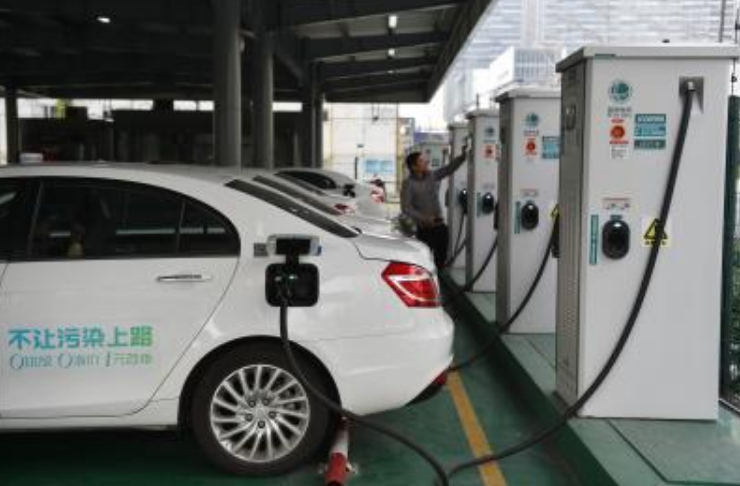

SEOUL, South Korea — South Korea will cut electric vehicle charging costs by up to 15 percent during weekend afternoons beginning this week, as part of efforts to ease energy costs and encourage EV usage, the country’s climate ministry said Tuesday.
The Ministry of Climate, Energy and Environment said the discounts will be driven by a 50 percent reduction in electricity rates applied to EV charging between 11 a.m. and 2 p.m. on weekends and public holidays. The program covers approximately 94,000 private home chargers and 13,000 public fast chargers nationwide.
The lower electricity rates are expected to translate into a 12 to 15 percent drop in charging fees. The discounts will be available during select periods of the year, specifically from March to May and again from September to October.
Under the plan, charging costs for home-use systems will fall by 48.6 won per kilowatt-hour. Public fast chargers will offer discounts of 48.6 won on Saturdays and 42.7 won on Sundays and public holidays.
Officials said some private charging operators are also expected to participate in the program.
“Some private charging operators are also expected to participate in the discount program, and we will encourage further participation by disclosing the list of participating companies,” the ministry said.
Separately, South Korean officials said the country is seeing increased interest from major Middle Eastern oil producers seeking to use its crude oil storage facilities, as disruptions tied to regional conflict continue to affect energy shipments.
Yang Gi-uk, a senior official in the industry ministry, said demand is growing for storage capacity in Northeast Asia, particularly as oil flows through the Strait of Hormuz face interruptions.
“An increasing number of countries want to use South Korea’s oil storage facilities,” Yang said.
He noted that countries including Saudi Arabia, the United Arab Emirates and Kuwait are particularly exposed, as their economies rely heavily on crude oil exports.
In addition to existing agreements with Abu Dhabi National Oil Co., other Middle Eastern producers are also in discussions with South Korea about potential storage arrangements, officials said. (Source: IANS)