NEW DELHI — India’s electric vehicle market saw stronger demand in May as rising fuel prices pushed more buyers toward battery-powered alternatives, according to reports by Nomura and HSBC.
Nomura said electric vehicle sales accounted for 6.4% of passenger vehicle sales in May, compared with 4% in FY26. Electric two-wheelers accounted for 8.9% of sales, up from about 6.5% last year.
The brokerage said consumer sentiment has shifted further toward electric vehicles, with demand continuing to gain traction.
HSBC also pointed to higher fuel prices as a factor behind the rise in EV demand.
“The recent hikes in fuel prices has led to customer demand to incline towards purchasing an electric vehicle,” HSBC said.
The brokerage estimated electric two-wheeler penetration at 9.3% and electric passenger vehicle penetration at 6.6% in May.
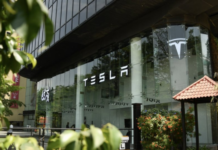
Among automakers, Tata Motors remained a major beneficiary of the increase in demand for electric cars. The company reported an 85% year-over-year rise in EV sales, while bookings grew 2.5 times over the past two months.
Nomura said Tata Motors is seeing particularly strong demand in the segment priced below Rs 15 lakh and plans to increase EV production capacity from 10,000 units a month to 15,000 units.
The shift was also evident in the two-wheeler segment. TVS Motor remained the market leader, with about 42,000 electric scooter registrations in May, followed by Bajaj Auto and Ather Energy. Ather’s sales more than doubled from a year earlier, helping the company reach a market share of 16.5%, according to Nomura.
Although rising commodity costs remain a concern for manufacturers, both brokerages said EV demand is gaining momentum. Nomura said electric vehicles are “at an inflection point” in India, supported by favorable policy measures and growing consumer acceptance.
Oil marketing companies raised petrol and diesel prices by about Rs 8 per liter over a two-week period in April. The Indian crude basket, which influences domestic fuel pricing, remained above $100 per barrel for three consecutive months through May, as the prolonged Middle East crisis disrupted energy markets.
The crisis has increased concerns over the Strait of Hormuz, a key shipping route for about 20% of global oil and gas exports.
Uncertainty around U.S.-Iran peace negotiations and repeated ceasefire violations have also raised expectations of further increases in oil prices.
Indian oil companies are still losing about Rs 550 crore a day on petroleum product sales, as the government has limited price hikes to shield consumers. (Source: IANS)