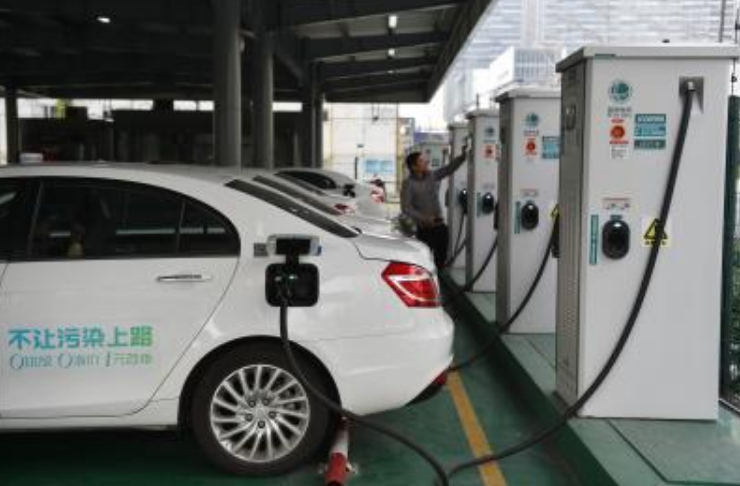
New Delhi — Electric passenger vehicle registrations in India nearly doubled during the April-June quarter, rising about 90 percent from a year earlier as more consumers opted for battery-powered vehicles.
Registrations increased to 82,737 units in the first quarter of fiscal 2027 from 43,710 units in the same period last year, according to Vahan registration data.
Industry executives attributed the surge partly to the more favorable ownership costs of electric vehicles as petrol, diesel and compressed natural gas prices rose during the West Asia conflict.
Monthly registrations increased throughout the quarter, climbing from 24,963 units in April to 27,320 in May and 30,454 in June.
Tata Motors registered 32,283 electric passenger vehicles during the quarter, up 104 percent from 15,794 units a year earlier.
The automaker reported total passenger vehicle sales of 63,083 units in June, a 69 percent increase from 37,237 units in the same month last year. Its first-quarter passenger vehicle sales rose 46 percent to 182,574 units.
Tata’s electric vehicle sales more than doubled to 14,800 units in June from 5,228 units a year earlier, while quarterly EV sales jumped 112 percent to 34,467 units.
Mahindra & Mahindra nearly doubled its electric passenger vehicle registrations to 20,112 units from 10,144 units a year earlier.
Hyundai Motor India, however, recorded a decline in electric passenger vehicle registrations, which fell to 1,386 units from 2,142 units.
The increase in EV registrations came as several automakers raised vehicle prices in response to higher input, commodity and operating costs.
Effective July 1, Tata Motors increased prices across its passenger vehicle portfolio, including internal combustion engine and electric models, by as much as 1.5 percent. It also raised commercial vehicle prices by up to 2.5 percent, depending on the model and variant.
Hyundai Motor India previously announced price increases of up to Rs 12,800 across its vehicle range.
Maruti Suzuki India raised prices by up to Rs 30,000, while Mahindra & Mahindra increased prices of its SUVs and commercial vehicles by as much as 2.5 percent, with an average increase of about 1.6 percent. (Source: IANS)