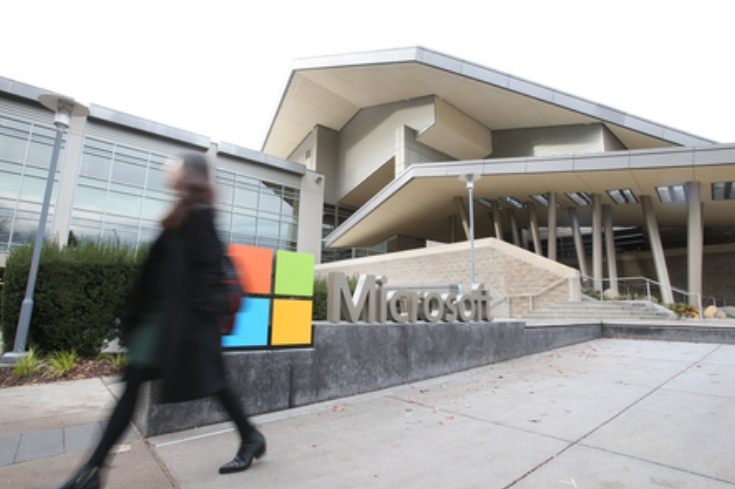
Washington — Microsoft has defended its use of H-1B visas, saying approximately 80% of its 6,000 applications during the last fiscal year involved existing employees rather than new hires, following the Trump administration’s decision to suspend the company’s participation in a key employment-based green card program.
The technology giant said most of its H-1B petitions were filed to extend or change the immigration status of employees already working for the company, challenging suggestions that it was replacing American workers with foreign professionals.
“We believe in the strength and talent of the American workforce. That is why the vast majority of Microsoft employees in the United States are Americans,” the company said in a statement posted on its corporate website.
Microsoft said it was prepared to provide federal officials with additional details about its employment practices.
“We look forward to providing the Administration with additional information,” the company said.
According to Microsoft, approximately 80% of its H-1B applications during the last fiscal year involved employees seeking extensions or changes to their existing immigration status.
“These were not to hire new people,” the company said.
Microsoft explained that the remaining applications involved individuals already legally residing in the United States who had accepted positions with the company.
Those applicants represented approximately 1% of Microsoft’s U.S. workforce.
“They are not new arrivals to our country,” the company said.
Microsoft also rejected suggestions that its use of H-1B visas allowed it to pay foreign employees less than American workers performing similar jobs.
“Microsoft only files H-1B petitions for those who meet the rigorous standards of this visa category,” the company said.
“We pay our H-1B employees the same as any other employees doing comparable work.”
The company emphasized that its long-term competitiveness depends on developing American talent while also recruiting highly skilled professionals from around the world.
The response follows the Trump administration’s move to suspend Microsoft from the Permanent Labor Certification (PERM) program, which employers use as an initial step in sponsoring foreign workers for employment-based permanent residency.
The administration has increased scrutiny of employment-based immigration programs, arguing that stronger enforcement is necessary to prevent abuses and protect American workers from displacement.
The H-1B program allows U.S. employers to hire foreign professionals in specialized occupations, particularly in technology, engineering and other fields requiring advanced expertise.
Microsoft’s statement did not address the specific legal grounds for its suspension from the PERM program or indicate how long the restrictions might remain in effect.
The company also did not disclose how many employees could be affected by delays or restrictions involving pending and future green card applications.
The suspension affects Microsoft’s ability to sponsor workers through the labor certification process but does not automatically invalidate existing H-1B visas or require affected employees to leave the United States.
Administered by the U.S. Department of Labor, the PERM program generally requires employers to demonstrate that qualified American workers are unavailable for certain positions and that employing foreign workers will not adversely affect U.S. wages and working conditions. (Source: IANS)