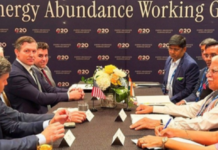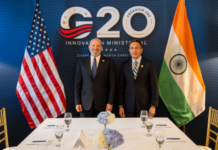


New Delhi/Washington— With the deadline for U.S. reciprocal tariffs fast approaching, intensive negotiations are currently underway in Washington, D.C., as officials from India and the United States work to finalize a proposed interim trade agreement within the next few days.
According to officials, India is seeking greater market access for its labor-intensive exports—including garments, footwear, and leather goods—which are key job-generating sectors. Meanwhile, Washington is pushing for tariff concessions on its agricultural and dairy products.
India’s trade delegation, led by Special Secretary Rajesh Agarwal, has extended its stay in Washington to continue high-level discussions. This signals a last-minute push to resolve outstanding issues, particularly on reciprocal tariff reductions—the central focus of the interim deal.
Indian negotiators argue that broader tariff cuts, especially for sectors with high employment potential, are essential to achieve the bilateral trade target of $500 billion by 2030.
The goal is to conclude the interim trade agreement ahead of the July 9 deadline, set by U.S. President Donald Trump for the expiration of a 90-day pause on new U.S. tariffs targeting Indian goods. While the current talks are focused on the interim pact, negotiations are expected to continue toward a comprehensive trade deal by September or October.
As part of the deal, India is also likely to press for better access to the U.S. market for key export categories such as shrimp, fish, spices, coffee, and rubber—industries where Indian exporters are globally competitive but face stiff tariffs in the American market.
India has already begun to address the U.S. trade deficit by increasing purchases of American oil and natural gas and has signaled its willingness to expand these imports.
To further sweeten the deal, India has reportedly offered significant tariff reductions, potentially lowering average duties from 13% to 4%, in exchange for relief from U.S. tariff hikes introduced during the Trump administration. (Source: IANS)