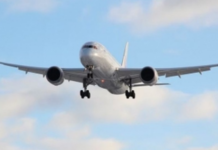

MUMBAI, India — Navi Mumbai International Airport (NMIA), India’s newest greenfield airport, is set to begin commercial operations on December 25, with 23 scheduled daily departures during its initial phase, officials announced Tuesday.
The airport will operate from 8:00 a.m. to 8:00 p.m. during its first month, managing up to 10 flight movements per hour. The inaugural arrival will be IndiGo flight 6E460 from Bengaluru, scheduled to touch down at 8:00 a.m. The first outbound flight, IndiGo 6E882, will depart for Hyderabad at 8:40 a.m., marking the official start of passenger services.
In its opening phase, NMIA will handle services operated by IndiGo, Air India Express, and Akasa Air, offering connections to 16 major domestic destinations. By February 2026, the airport plans to expand to 24/7 operations and increase daily departures to 34, anticipating rising demand in the Mumbai Metropolitan Region (MMR).
Aligned with the phased operational rollout, NMIA has conducted extensive Operational Readiness and Airport Transfer (ORAT) trials in coordination with airline partners, security agencies, and other stakeholders. On October 29, 2025, the Central Industrial Security Force (CISF) was formally deployed across key airport functions to strengthen security.
Prime Minister Narendra Modi inaugurated the airport on October 8, paving the way for a gradual but strategic launch focused on safety, reliability, and passenger comfort.
Navi Mumbai International Airport Private Limited (NMIAL), the special purpose vehicle behind the project, is a public-private partnership between Mumbai International Airport Limited (MIAL), a subsidiary of Adani Airports Holdings Limited, which holds a 74 percent stake, and the City and Industrial Development Corporation of Maharashtra (CIDCO), holding the remaining 26 percent.
The launch of NMIA is expected to significantly boost aviation capacity in the MMR, complementing operations at Mumbai’s Chhatrapati Shivaji Maharaj International Airport and helping ease congestion at one of India’s busiest air hubs. (Source: IANS)