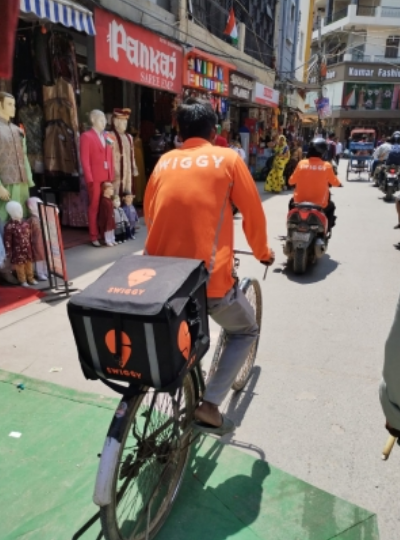
NEW DELHI — India’s leading food delivery and quick-commerce platforms, including Swiggy, Zomato, and Zepto, have rolled out substantial financial incentives for delivery partners in an effort to maintain service continuity during the year-end rush. The aggressive pay adjustments arrive as gig worker unions have called for a nationwide strike on December 31, 2025, to protest labor conditions and push for broader social security protections.
The standoff highlights the growing tension between India’s booming on-demand economy and the labor force that powers it. Zomato has offered its delivery partners payouts ranging from 120 to 150 rupees per order during the critical window between 6 p.m. and midnight. The company has also projected potential daily earnings of up to 3,000 rupees, depending on availability and volume, while temporarily waiving penalties for order denials and cancellations to reduce financial risk for workers.
Swiggy has introduced even more competitive packages, offering earnings of up to 10,000 rupees for the two-day period covering December 31 and January 1. This includes peak-hour payouts of up to 2,000 rupees on New Year’s Eve. These measures follow brief, localized disruptions reported during a previous strike call on December 25, which unions claim was merely a precursor to a wider mobilization today.
The labor unrest has introduced volatility to the public markets. On the NSE, Swiggy Limited shares closed at 390.55 rupees, representing a 3.33 percent decline over the last five trading days. Similarly, Eternal Limited, the parent company of Zomato, saw its stock price drop nearly 2 percent during the same period to settle at 280 rupees.
From a regulatory standpoint, the dispute centers on the implementation of the Code on Social Security, 2020. Under these labor codes, gig and platform workers are granted formal legal recognition and access to a national registration framework via the e-Shram portal. The codes mandate that aggregators contribute between 1 and 2 percent of their annual turnover to a dedicated Social Security Fund, with the contribution capped at 5 percent of the total payments made to workers.
While the government maintains that these provisions provide a robust safety net, worker unions continue to demand more immediate improvements to base pay and working environments. As New Year’s Eve order volumes are expected to hit record highs, the effectiveness of these last-minute incentives will serve as a bellwether for the stability of the sector heading into 2026. (Source: IANS)