NEW DELHI — India’s electric vehicle battery demand is expected to rise tenfold by 2032, creating new opportunities for domestic component manufacturing and supply chain development, according to a report from the India Energy Storage Alliance.
The industry body said EV battery demand is projected to increase from 20 gigawatt-hours in 2025 to 200 gigawatt-hours by 2032 as India’s electric mobility market moves into a broader phase of industrial growth.
The report said the market is nearing an inflection point as policy-led adoption evolves into a larger ecosystem covering batteries, motors, power electronics, advanced chemistries, localized manufacturing and supply chain investment.
“With India’s EV market entering an era of unprecedented growth and battery demand projected to rise tenfold by 2032, the industry’s next leap will be driven by localisation, advanced chemistry, and resilient supply chains,” said Debmalya Sen, president of the India Energy Storage Alliance.
The report, titled “India EV & EV Component Market Outlook 2025-2034,” is scheduled to be released at India Energy Storage Week 2026, which will be held July 8-10 at Yashobhoomi, the India International Convention and Expo Centre, in New Delhi.
The event is expected to bring together more than 200 exhibitors and more than 10,000 industry leaders from around the world, with a focus on e-mobility, recycling and supply chain localization.
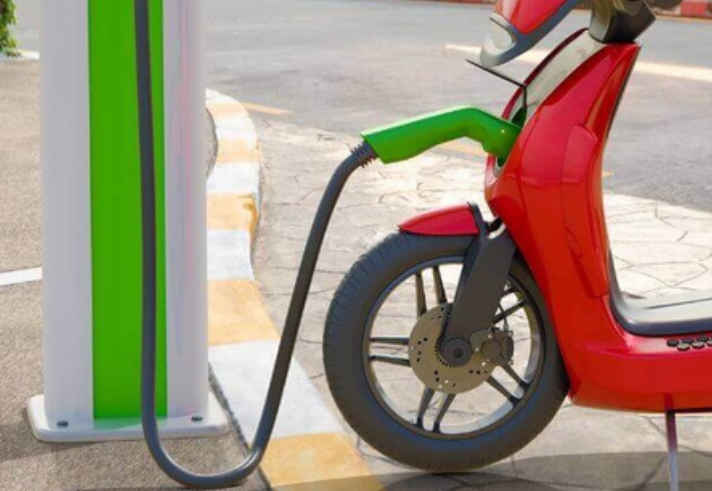
India’s EV sales crossed 2.5 million units in 2025, according to the report. That total included 1.5 million electric two-wheelers and 700,000 electric three-wheelers.
Electric two-wheelers continue to account for the largest share of sales volume, but the next phase of growth is expected to come from passenger electric cars and light commercial fleets.
The report said India’s electric four-wheeler market is positioned for significant growth, supported by improved battery economics, expanding charging infrastructure, broader participation from automakers and increasing consumer acceptance.
Commercial fleet electrification is also gaining momentum, particularly in urban logistics, public transport and fleet operations, where total cost-of-ownership advantages are becoming more compelling.
Vinayak Walimbe, managing director of Customized Energy Solutions, said the EV market’s shift from policy-driven adoption to industrial development is opening new opportunities for component manufacturing and supply chain innovation. (Source: IANS)