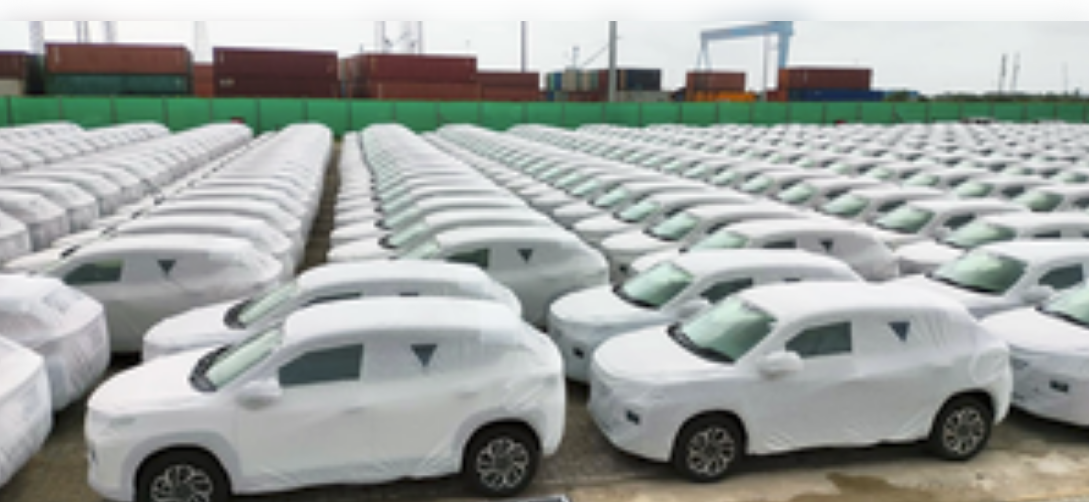
New Delhi — India’s automobile industry delivered a broadly resilient performance in the first quarter despite continued pressure from higher input costs, according to a report from HSBC Global Investment Research.
The analysis found that most two-wheeler manufacturers were able to limit margin declines through price increases and cost-control measures. Commercial vehicle makers also posted a relatively steady quarter, with performance falling between that of two-wheeler and passenger vehicle manufacturers.
HSBC identified commodity costs as one of the biggest challenges facing the sector. Although commodity prices have softened modestly in the current quarter, input costs remain elevated and continue to weigh on profitability.
Most automakers raised vehicle prices in July and August to help offset those pressures. The increases are expected to provide some support to margins, although the impact will depend on consumer demand and the pace at which commodity costs decline.
Despite successive price increases, demand has remained healthy across vehicle segments, the report said. HSBC now expects mid-single-digit growth in the second half, improving from its earlier forecast of low-single-digit growth for most automakers.
Concerns about the impact of the monsoon have also eased somewhat, according to the brokerage.
However, HSBC warned that further price increases and a high comparison base could create headwinds for growth in the second half of fiscal 2027 and into fiscal 2028, particularly if vehicle affordability becomes a greater concern for consumers.
On valuations, the report said automobile stocks covered by HSBC are trading above their historical averages. Two-wheeler manufacturers appear particularly expensive compared with passenger vehicle companies.
Looking ahead over the next one to two years, HSBC said it favors companies with reasonable valuations, diversified and defensive revenue streams and long-term structural growth opportunities. (Source: IANS)