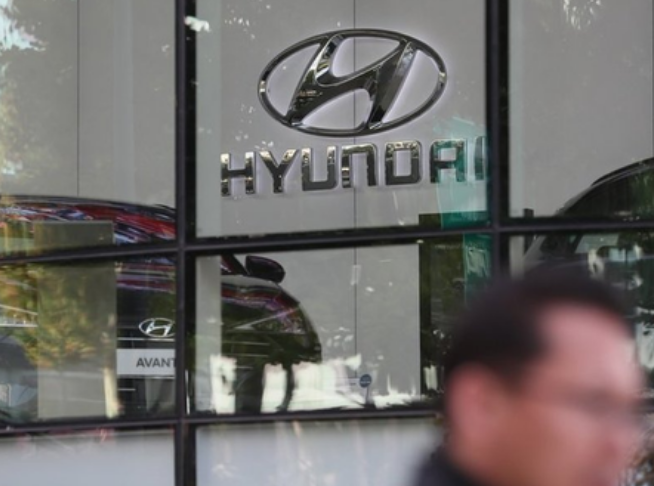
MUMBAI, India — Hyundai Motor India Limited reported a 22.2% year-over-year decline in consolidated net profit for the fourth quarter of FY26, even as revenue increased during the period.
The automaker posted consolidated net profit of Rs 1,255.6 crore for the January-to-March quarter, down from Rs 1,614.3 crore in the same quarter a year earlier, according to a stock exchange filing.
Revenue from operations rose 5.4% to Rs 18,916.15 crore, compared with Rs 17,940.28 crore in the year-ago period.
The company said expenses rose faster than revenue during the quarter. Total expenses increased 10% year over year to Rs 17,571.7 crore, mainly because of changes in inventories of finished goods, work-in-progress and stock-in-trade.
Operational performance also weakened. EBITDA fell 22.4% to Rs 1,966 crore from Rs 2,532.7 crore a year earlier, while EBITDA margin narrowed to 10.4% from 14.1%.
Despite the margin pressure, Hyundai Motor India said it recorded its highest-ever quarterly domestic sales in Q4 FY26. Wholesale volumes rose 8.7% year over year, supported by GST 2.0 tailwinds and product interventions.
The company also reported its highest-ever quarterly rural penetration at 25%, reflecting deeper market reach across rural India.
Hyundai said its CNG portfolio contribution reached a record 18% during the quarter, driven by increased consumer adoption and expansion into commercial mobility.
Exports remained strong despite geopolitical uncertainty. The company said exports grew 9.4% year over year in the fourth quarter, while full-year FY26 exports rose 16.4%.
Looking ahead, Hyundai Motor India said it expects domestic and export volume growth of 8% to 10% in FY27, supported by new products, network expansion and market diversification.
“As we celebrate 30 years of operations in India, we take pride in building a strong foundation anchored in customer trust, innovation, and consistent execution,” Managing Director and CEO Tarun Garg said.
“FY26 was a year where we demonstrated our ability to navigate a challenging environment while capitalising on emerging opportunities, supported by GST 2.0 reforms, strategic product interventions, strong export volumes and our continued focus on ‘Quality of Growth,” Garg added. (Source: IANS)